
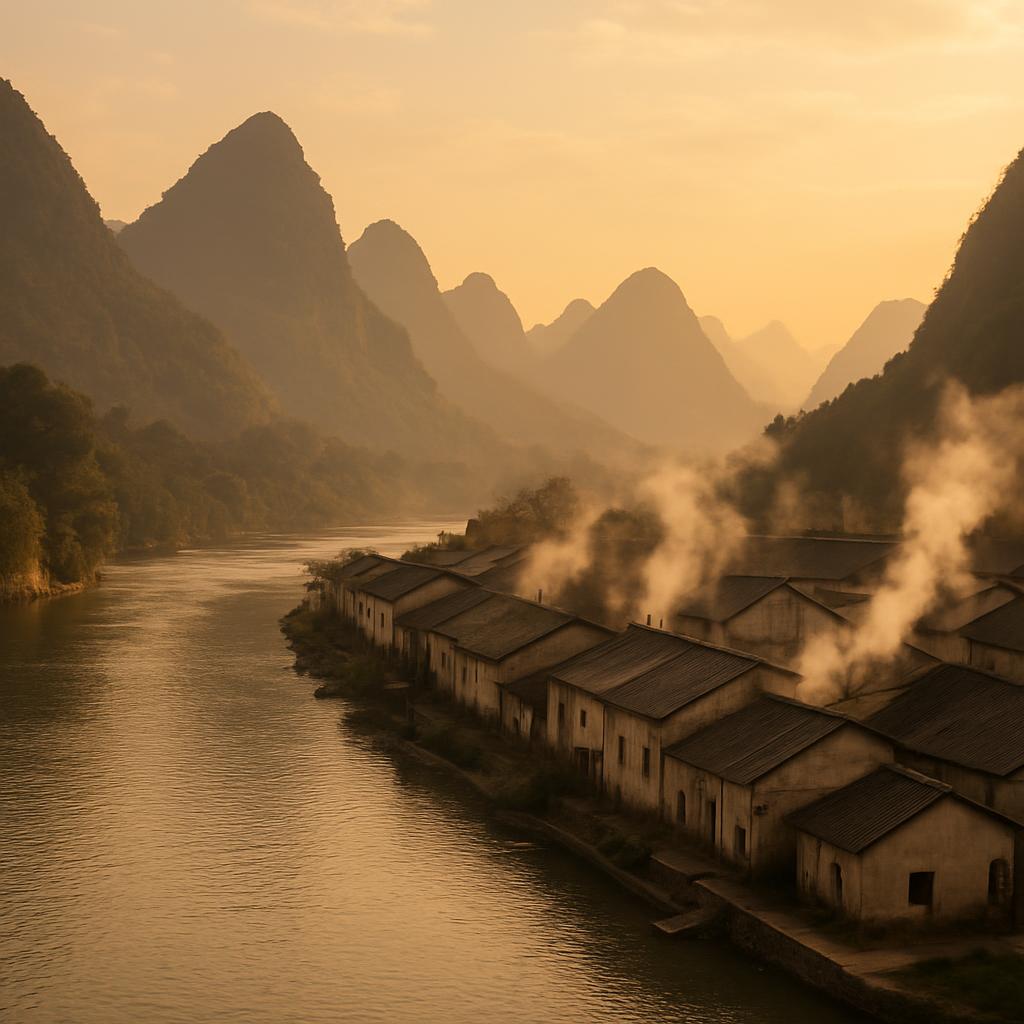
A panel representing baijiu producers from China's Chishui River region has discussed plans to expand the liquor's presence in overseas markets, according to the announcement. The discussion centers on growing international demand for baijiu, a Chinese spirit that has historically sold almost entirely within domestic markets.
Key takeaways
- A panel of producers and representatives tied to the Chishui River region in China discussed expanding overseas markets for baijiu, the region's signature liquor.
- The Chishui River area of Guizhou province is one of China's most prominent baijiu-producing regions.
- The announcement did not provide specific figures, named export targets, or a timeline for the overseas expansion effort.
- Baijiu remains a largely domestic product in China, and international sales growth has been a long-standing goal for producers in the sector.
Key details
- Subject: a panel focused on baijiu producers and stakeholders from the Chishui River region of China.
- Topic: strategies for expanding sales of local baijiu into overseas markets.
- Region: the Chishui River area, located in Guizhou province, long associated with Chinese liquor production.
- Scope of release: the announcement outlines the panel's focus on international expansion but does not detail specific markets, partners, sales figures or a timeline.
The Chishui River's Role in China's Liquor Industry
The Chishui River runs through Guizhou province in southwestern China and is widely recognized within the country as a centre of baijiu production. The region's climate, water source and fermentation traditions are credited by producers and local authorities with shaping the character of liquor made there, and the area is home to numerous distilleries that supply both regional and national markets.
Baijiu is a clear, grain-based spirit typically distilled from sorghum, and it is the most widely consumed spirit category in China by volume. It plays a central role in business banquets, celebrations and gift-giving across the country, which has historically made the domestic market the primary focus for most producers in the category.
Why Overseas Expansion Is Being Discussed
Baijiu's sales have traditionally been concentrated within China, with limited penetration in markets outside Asia compared with other globally recognized spirits such as whisky, vodka or rum. Industry groups in China have periodically sought to raise the profile of baijiu abroad, framing international growth as a way to diversify revenue beyond the domestic market and to introduce the spirit to new generations of drinkers overseas.
The panel's discussion of overseas markets reflects this broader, long-running effort within the Chinese liquor sector to build export demand. The announcement does not specify which countries or regions were identified as priority markets, nor does it name specific companies, trade partners or government bodies involved in the discussion.
What Exporting Baijiu Involves
Introducing baijiu to new markets typically involves challenges that differ from those faced by better-known spirits categories. These include unfamiliarity among overseas consumers with the spirit's taste profile, which can differ significantly from Western spirits, as well as the need to navigate different alcohol import regulations, labelling requirements and distribution networks in each target country.
Trade events and international expos have in some cases served as venues for Chinese exporters, including food and beverage producers, to connect with overseas buyers, a pattern seen in broader Chinese trade promotion efforts such as the China International Import Expo. The announcement did not state whether the Chishui River panel's plans involve similar trade platforms or other specific channels for reaching overseas buyers.
Frequently asked questions
What is baijiu?
Baijiu is a clear, high-proof spirit distilled mainly from sorghum and other grains, and it is the most widely consumed liquor category in China. It is commonly served at business functions, celebrations and family gatherings across the country.
Where is the Chishui River region and why is it significant to the liquor industry?
The Chishui River flows through Guizhou province in southwestern China and is known as a hub for baijiu production, with numerous distilleries operating along its banks. Producers in the area credit local water sources and climate conditions with shaping the character of the liquor made there.
Did the announcement name specific overseas markets or a timeline?
No, the announcement discussed the panel's focus on expanding into overseas markets but did not specify particular countries, trade partners, sales targets or a timeline for the effort.