
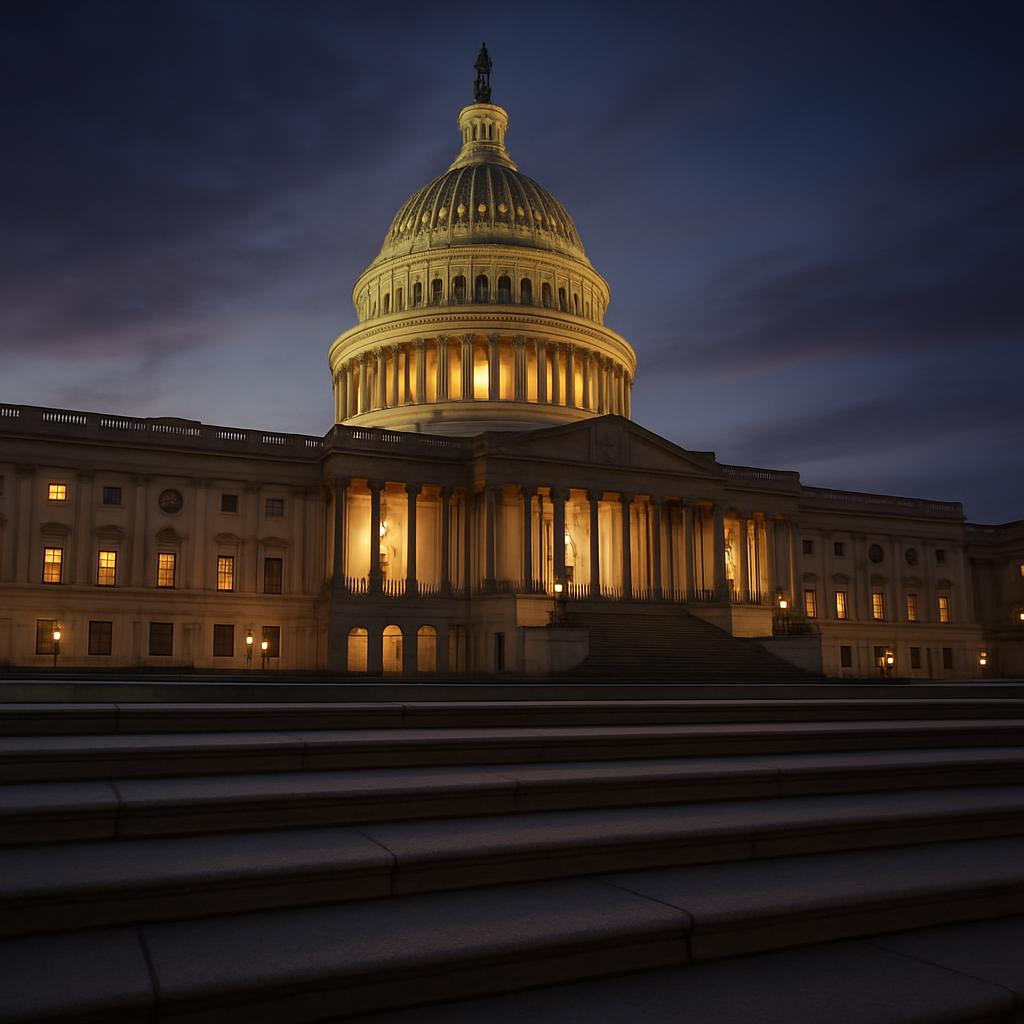
Congress is once again bumping up against the calendar, with lawmakers facing a compressed number of legislative days before an extended break and a growing list of unresolved priorities. According to recent reporting from Capitol Hill outlets, House members have only a limited work window remaining before stepping away from Washington, and several items leadership had hoped to move through the chamber now appear to be in serious doubt.
House leadership has signaled plans for a quick September session before lawmakers depart for what has been described as an "October Recess," with the House expected to be out of session from mid-September through the following weeks. That timeline leaves little room for the chamber to resolve outstanding legislative business, and reporting suggests Speaker Mike Johnson and other Republican leaders are navigating a familiar pattern of deferring difficult decisions rather than forcing votes before members leave town.
The broader theme emerging from coverage this week is one of postponement. Rather than resolving major sticking points, Congress appears poised to punt on several significant issues, pushing decisions further down the calendar. This follows a pattern seen throughout the current session, in which competing priorities, thin legislative calendars and political pressures ahead of elections have repeatedly squeezed the amount of time available for substantive floor action.
Committee activity continues in the background even as broader legislative momentum stalls. Congressional records show committee meetings and hearings still scheduled in the near term, reflecting the routine oversight and legislative groundwork that continues even when marquee bills remain stalled. That includes continued scrutiny tied to high-profile investigations and subpoenas that have drawn attention in recent Capitol Hill coverage, underscoring that committee-level work is proceeding even as floor votes on bigger-ticket items lag.
The political stakes of this slow-moving stretch are heightened by the proximity to elections, which tend to sharpen incentives for lawmakers to avoid politically risky votes. With House members eager to return to their districts and campaign, leadership faces pressure to wrap up business quickly, even if that means leaving major questions unresolved until members return from recess.
For now, the picture emerging from Washington is one of a Congress that is, once again, running out the clock on immediate priorities in favor of a fuller reckoning later in the year. Lawmakers, aides and outside observers will be watching closely to see whether the return from recess brings renewed urgency, or whether the same list of unresolved priorities simply carries over into the next legislative window.