
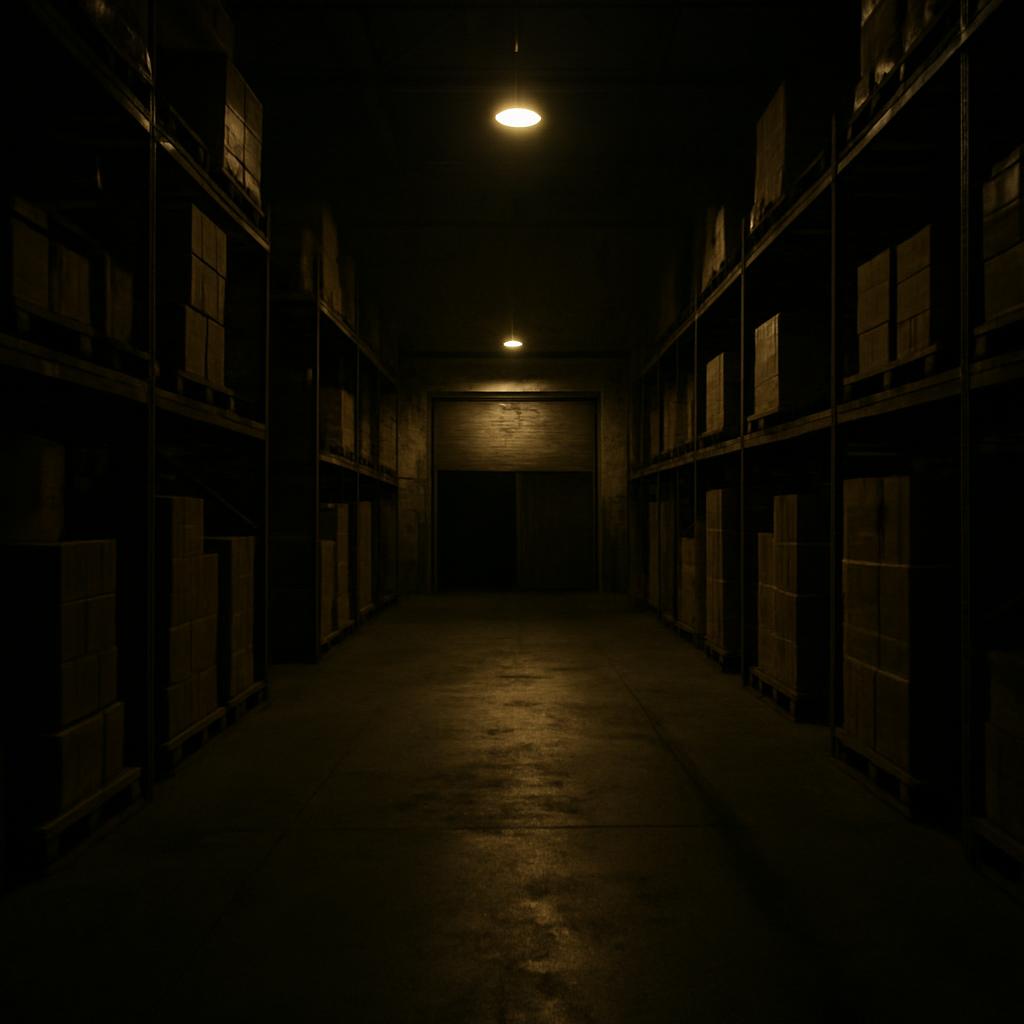
The U.S. Food and Drug Administration announced on September 23, 2026 that a federal court has entered a consent decree of permanent injunction against Gold Star Distribution, Inc., a Minnesota-based multi-commodity warehouse operator, and its owner, Bassam Abu Samrah, after years of documented rodent and pest infestations at its Minneapolis facility, according to the official release. The order, dated September 21, 2026, was issued by the U.S. District Court for the District of Minnesota and halts the company's distribution of FDA-regulated food, drugs, medical devices and cosmetics until it corrects its operations.
Key takeaways
- The U.S. District Court for the District of Minnesota entered a consent decree of permanent injunction on September 21, 2026 against Gold Star Distribution, Inc. and owner Bassam Abu Samrah.
- FDA inspectors in November and December 2025 found nine live rodents, 17 dead rodents, eight live birds, one dead bird and five live worms throughout the Minneapolis warehouse.
- The FDA inspected the facility five times and the Minnesota Department of Agriculture inspected it 26 times between 2013 and 2025 before the court order.
- The decree bars the company from receiving, holding or distributing FDA-regulated food, drugs, medical devices and cosmetics until it meets federal sanitation requirements and the FDA certifies compliance.
What the Consent Decree Requires
The consent decree prohibits Gold Star and Abu Samrah, along with their associated persons, from receiving, holding for sale, or distributing food, drugs, medical devices and cosmetics at or from any current or future location unless and until they comply with the Federal Food, Drug, and Cosmetic Act, federal regulations, and the terms of the decree itself. The food category covered includes human and animal foods, dietary supplements, and infant formula, according to the FDA.
Before the company can resume operations, the decree requires it to retain an independent expert to develop and implement FDA-approved sanitation control and drug storage plans, eliminate all pests and filth from the facility, complete renovations to prevent future pest entry, and destroy all FDA-regulated products currently in its possession under FDA supervision. The defendants must also undergo comprehensive inspections by an independent expert, an independent pest control company, and the FDA as it deems necessary, and must receive written notification from the FDA that they appear to be in compliance before resuming any operations.
The complaint, filed by the U.S. Department of Justice on behalf of the FDA, states that Gold Star and Abu Samrah violated the FD&C Act by causing food, drugs, medical devices and cosmetics to become adulterated after they were held under insanitary conditions following shipment in interstate commerce. The complaint separately alleges that drugs stored at the facility were adulterated because they were not stored in accordance with current good manufacturing practice requirements.
Inspection Findings by the Numbers
The FDA's figures, drawn from a follow-up inspection conducted in November and December 2025, describe a facility with active and longstanding pest problems. Laboratory analyses conducted by the FDA confirmed the presence of rodent urine, urea, excreta and hairs, as well as gnaw holes, in product packaging stored at the site.
| Measure | Latest finding | Comparison period | Change |
|---|---|---|---|
| Live rodents found | 9 | Nov.-Dec. 2025 inspection | Not stated |
| Dead rodents found | 17 (various states of decay) | Nov.-Dec. 2025 inspection | Not stated |
| Live birds found | 8 | Nov.-Dec. 2025 inspection | Not stated |
| Dead birds found | 1 | Nov.-Dec. 2025 inspection | Not stated |
| Live worms found | 5 | Nov.-Dec. 2025 inspection | Not stated |
| FDA inspections of facility | 1 (2025 follow-up) | 5 prior FDA inspections before 2025 | Not stated |
| MDA inspections of facility | Not stated | 26 inspections, 2013-2025 | Not stated |
Inspectors also documented leaking and overflowing refuse near outgoing shipments of FDA-regulated products, gaps and holes in the facility's infrastructure, ceiling leaks dripping onto stored products, and trash buildup outside the facility door and refuse container. Products stored in the facility at the time included rice, cat food, drugs, sanitary pads and cosmetics, the FDA said.
A Decade-Plus Pattern of Violations
The FDA said its prior inspections, and many of the Minnesota Department of Agriculture's inspections, cited insanitary conditions associated with rodents, including observations of live and dead rodents, gnaw marks, package damage, rodent excrement and nesting materials throughout the facility. The FDA and MDA, working with other state regulatory partners including the Minnesota Board of Pharmacy, investigated the persistent conditions and took several regulatory and compliance actions over the years to protect consumers, according to the release.
In November 2025, the MDA twice issued a notice of embargo and cease and desist order covering all food products and operations at the facility, and it revoked the defendants' food wholesale license. In December 2025, the Minnesota Board of Pharmacy issued a cease and desist order against the defendants for warehousing and distributing over-the-counter drugs without a required pharmacy license and administratively detained the over-the-counter drugs held at the facility. Following the FDA's 2025 inspection, Gold Star voluntarily recalled certain FDA-regulated products that may have been contaminated with filth.
Why Rodent Contamination Is a Health Risk
The FDA is the federal agency within the U.S. Department of Health and Human Services responsible for ensuring the safety of the nation's food, drug, medical device and cosmetic supply, including products held in third-party warehouses before they reach retailers or consumers. Warehouse operators that receive FDA-regulated goods shipped across state lines are subject to federal sanitation and storage requirements, and the agency can inspect those facilities and refer violations to the Department of Justice for civil enforcement, as happened here.
According to the FDA, rodent and pest infestations in facilities that store food, drugs, medical devices and cosmetics pose serious contamination risks because rodents can carry pathogens such as Salmonella, Listeria and E. coli, and their droppings, urine and fur can contaminate products, potentially causing illness or injury to consumers. Insanitary storage conditions can also compromise the safety, strength, quality and purity of drugs. Under the FD&C Act, FDA-regulated products stored under such conditions are considered adulterated regardless of whether contamination of any individual unit can be proven.
"Consumers trust that the products they purchase — whether food, medicine, or everyday household items — have been stored safely and are free from contamination," said Elizabeth Miller, Pharm.D., FDA associate commissioner for inspections and investigations, in the agency's statement. "When a company repeatedly ignores serious, ongoing violations that put trust at risk, the FDA will act. This consent decree makes clear that persistent failure to maintain basic sanitary conditions is unacceptable and will have consequences." The FDA said it remains committed to ensuring all entities that receive, store and distribute FDA-regulated products comply with federal food and drug safety laws and maintain sanitary conditions that protect consumers.