
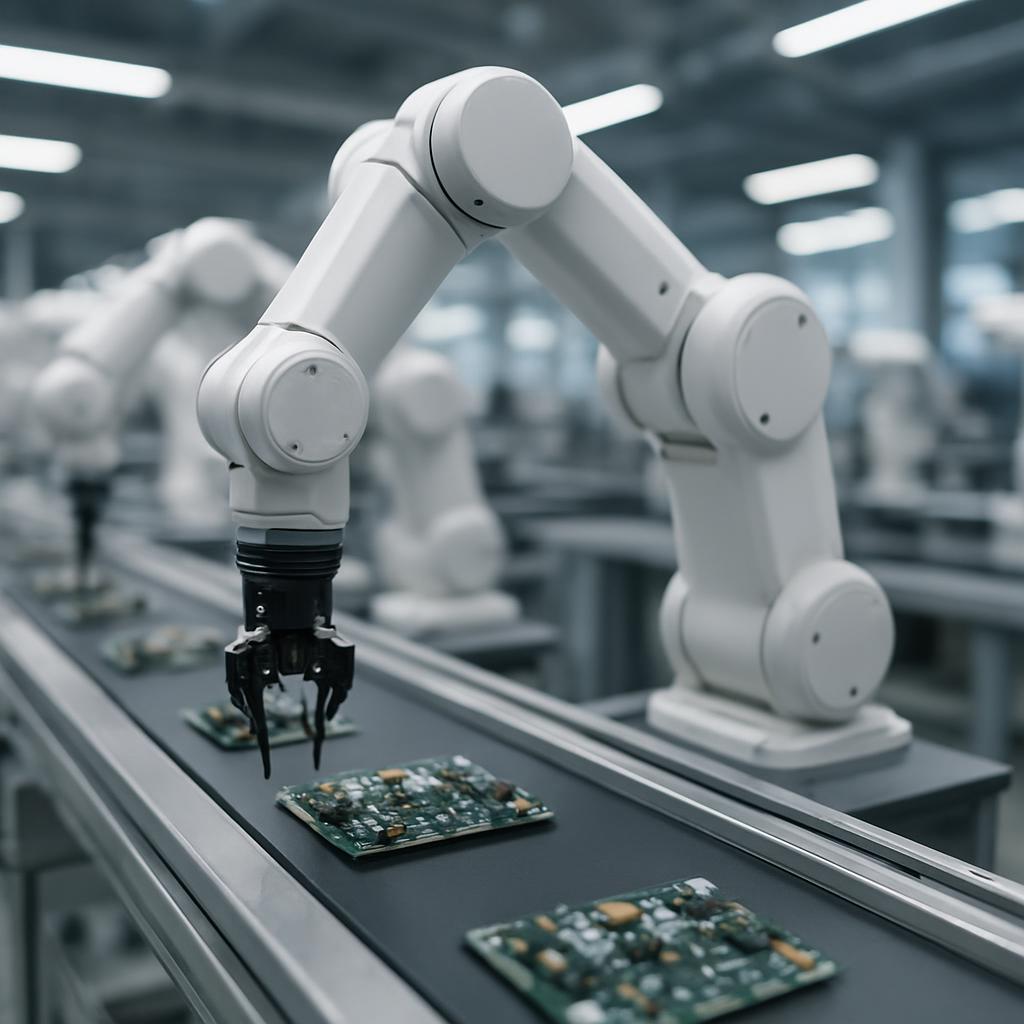
LG Innotek, the South Korea-based electronic components manufacturer and an affiliate of LG Group, announced a new collaboration with chipmaker NVIDIA aimed at strengthening its standing in the growing physical AI market, according to the original release.
Key takeaways
- LG Innotek has announced a collaboration with NVIDIA focused on the physical AI market.
- The companies describe the partnership as a step toward LG Innotek securing a leading position in this emerging sector.
- Physical AI refers to artificial intelligence systems embedded in machines, robots and vehicles that interact with the physical world.
- Further specifics on products, timelines or financial terms were not detailed in the announcement.
A New Partnership Centered on Physical AI
The announcement, distributed via PR Newswire, frames the collaboration between LG Innotek and NVIDIA as a milestone in the company's push to establish itself as a leader in physical AI, a fast-growing field that applies artificial intelligence to tangible, real-world systems rather than purely digital or software-based applications.
The release positions the tie-up as a strategic step forward for LG Innotek, describing it as bringing the company "one step closer to securing a leading position in the physical AI market." The announcement did not provide further granular detail on specific products, technical specifications, financial terms or a timeline for the collaboration's rollout.
What Physical AI Means for Industry
Physical AI is an industry term used to describe artificial intelligence systems that are built into physical machines, such as robots, autonomous vehicles, drones and industrial equipment, enabling them to perceive, reason about and act within real-world environments. Unlike conventional AI software that processes data on screens or in the cloud, physical AI relies on a combination of sensors, actuators and onboard computing power to let machines respond to their surroundings in real time.
This category of technology has drawn significant investment from chipmakers and component suppliers alike, as autonomous systems increasingly require specialized hardware capable of processing visual, spatial and sensor data quickly and efficiently. Companies that supply the underlying chips, modules and components for these systems are positioning themselves to benefit as demand for robotics, autonomous vehicles and smart manufacturing equipment expands.
Background on LG Innotek and NVIDIA
LG Innotek is a South Korean manufacturer of electronic components, known for producing camera modules, semiconductor substrates and other parts used widely across the automotive, mobile device and electronics industries. As part of the broader LG Group, the company has historically supplied components to major global technology and automotive manufacturers.
NVIDIA, for its part, has become one of the world's most prominent suppliers of AI computing hardware, including graphics processing units and specialized platforms used to power AI applications across data centers, autonomous vehicles and robotics. Collaborations between component manufacturers like LG Innotek and AI computing leaders like NVIDIA reflect a broader industry trend in which hardware suppliers seek to align their offerings with the computing platforms needed to run advanced AI systems.
What Remains Unclear
The release distributed through PR Newswire did not specify which particular products or technologies would result from the LG Innotek-NVIDIA collaboration, nor did it outline a timeline for when any resulting offerings might reach the market. It also did not include direct quotes from executives at either company characterizing the scope or goals of the partnership in further detail.
As with many corporate technology announcements, additional specifics are likely to emerge as the companies progress with the collaboration. Observers in the electronics and AI components sector will likely watch for further disclosures from LG Innotek regarding how the NVIDIA partnership translates into concrete products or market positioning within the physical AI space.