
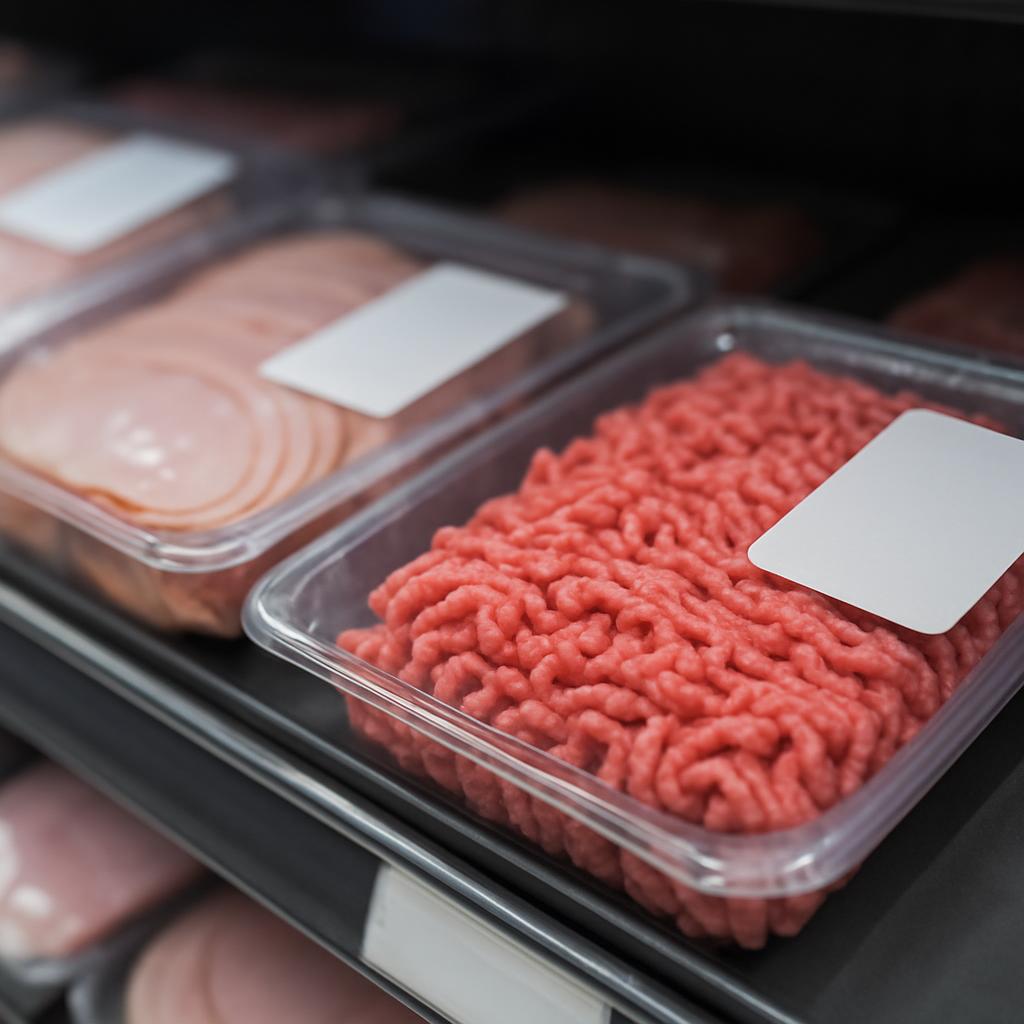
Meat recalls in the United States are typically triggered by bacterial contamination (E. coli, Salmonella or Listeria), foreign objects like metal or plastic fragments, or labeling errors that hide allergens. Ground beef, chicken, turkey and ready-to-eat deli meats make up the bulk of recalled products because they are handled in large batches, eaten without further cooking, or both. The list of specific recalled products changes constantly, so this explainer focuses on the patterns, causes and precautions that stay true no matter which brand is in the headlines this month.
Key takeaways
- Ground beef, poultry and deli meats account for most U.S. meat recalls because of how they're processed and stored.
- Listeria, Salmonella and E. coli are the pathogens behind the most serious recalls; foreign objects and mislabeling cause milder ones.
- Pregnant women, older adults, young children and immunocompromised people face the highest risk of severe illness.
- Recalls are classified by severity, and checking official recall lists is the fastest way to know if food in your kitchen is affected.
- Symptoms range from mild stomach upset to serious illness requiring medical care, especially with Listeria.
What are some examples of recall?
Meat recalls have followed a consistent pattern for more than three decades, and several stand out as reference points for how these events unfold. In 1993, undercooked beef patties linked to a fast-food chain caused a major E. coli O157:H7 outbreak that reshaped U.S. food safety inspection rules. In 2008, a California beef processor recalled roughly 143 million pounds of beef, at the time the largest meat recall in American history, after investigators found the plant had slaughtered cattle too sick or injured to stand without proper inspection. More recently, a 2024 Listeria outbreak tied to deli meats led to a recall of millions of pounds of liverwurst and other ready-to-eat products, and was linked to several deaths nationwide.
These cases show the two broad categories regulators deal with: acute contamination events discovered after people get sick, and preventive recalls triggered when a company or inspector finds a problem before anyone is harmed. Both categories get logged by the Department of Agriculture's Food Safety and Inspection Service, which posts updates whenever a new meat or poultry recall is announced.
- 1993 beef patty outbreak: undercooked ground beef, E. coli O157:H7, led to new cooking temperature standards
- 2008 beef recall: 143 million pounds, inspection and animal-handling violations
- 2014 Rancho Feeding Corp. recall: roughly 8.7 million pounds of beef processed without full inspection
- 2018 ground beef recall: Salmonella contamination tied to a single processing plant
- 2024 deli meat recall: Listeria outbreak linked to multiple illnesses and deaths nationwide
What meats are most commonly recalled?
Ground beef, chicken, turkey and processed deli meats are recalled far more often than whole cuts of steak, roast or pork chops. Ground beef combines meat from many animals into a single batch, so contamination from one source can spread through thousands of packages before it's caught. Poultry carries a naturally higher baseline risk of Salmonella and Campylobacter, which is why cooking temperature guidance for chicken and turkey is stricter than for beef.
Deli meats and hot dogs pose a different risk because they are often eaten cold, straight from the package, with no cooking step to kill bacteria that may have survived processing. Listeria is especially dangerous in this category because it can survive and even multiply slowly in refrigerated conditions, unlike most other foodborne pathogens.
Recalls involving these categories were a recurring theme in a recent roundup of food safety alerts, underscoring how frequently ground meat and deli products reappear in recall notices compared with other cuts.
Why are meats recalled?
Meat is recalled when testing, inspection or illness reports reveal that a product could make people sick, is mislabeled, or contains something that shouldn't be there. The most common triggers are pathogenic bacteria such as E. coli O157:H7, Salmonella and Listeria monocytogenes, which can enter the food supply through contaminated equipment, improper slaughter practices, or temperature abuse during storage and shipping.
Other recalls stem from physical contamination, including metal shavings, plastic fragments or bone chips introduced during processing. Mislabeling recalls happen when a package fails to list an allergen, misstates the type of meat used, or includes the wrong net weight or expiration date. Regulators sort all of these into severity tiers that determine how urgently the public needs to respond.
| Recall class | What it means | Typical example |
|---|---|---|
| Class I | Reasonable chance of serious health consequences or death | Listeria-contaminated deli meat |
| Class II | Possible but limited or reversible health effects | Minor bacterial contamination below infectious thresholds |
| Class III | Unlikely to cause any health problem | Incorrect labeling, undeclared minor ingredient |
A similar oversight failure played out when a Minnesota warehouse operator was ordered to stop shipments after inspectors found rodent infestations, a reminder that storage and distribution conditions, not just slaughterhouse practices, can trigger recalls.
What are the symptoms of eating recalled meat?
Symptoms depend on which pathogen is involved, but most foodborne illnesses from contaminated meat start within hours to a few days of eating the affected product. E. coli infections often cause severe stomach cramps and diarrhea that can turn bloody, while Salmonella and Campylobacter typically bring fever, cramping and watery diarrhea. Listeria is the most concerning because early symptoms can resemble a mild flu before progressing to more serious complications, particularly in pregnant women.
- Nausea and vomiting, often within hours of eating
- Diarrhea, which may be watery or, with E. coli, bloody
- Fever and chills, common with Salmonella and Listeria
- Abdominal cramps, sometimes severe
- Headache, stiff neck or confusion, which can signal a more serious Listeria infection
- Muscle aches and fatigue, especially in the first 24 to 48 hours
Symptom severity and timing vary enough that lab testing is usually needed to confirm which organism caused an illness, which is why public health agencies rely on reported cases to connect individual symptoms to a specific recalled product.
Who is most at risk from contaminated meat?
Pregnant women, adults over 65, young children and people with weakened immune systems face the highest risk of severe or life-threatening illness from contaminated meat. Listeria infections during pregnancy can cause miscarriage, stillbirth or severe illness in a newborn, which is why pregnant women are specifically warned to avoid certain deli meats unless they are reheated until steaming hot.
People undergoing cancer treatment, organ transplant recipients, and those with chronic conditions like diabetes or liver disease also process infections less effectively than healthy adults, raising the risk of hospitalization. Healthy adults can still get sick from the same contaminated product, but they're more likely to recover without medical intervention.
How are meat recalls detected and confirmed?
Most recalls start with one of two paths: routine testing catches a pathogen before anyone gets sick, or public health investigators trace a cluster of illnesses back to a common food source. Federal and state labs use whole genome sequencing to match bacteria found in sick patients to bacteria found in a specific product or facility, which lets investigators confirm a link with much more precision than older methods allowed.
Inspectors from the Department of Agriculture conduct in-plant testing and respond to consumer complaints, while a national illness-tracking network run by public health agencies flags unusual spikes in specific infections across multiple states. When a match is confirmed, the company typically issues a voluntary recall in coordination with regulators, who then publish the official notice along with product codes, sell-by dates and photos to help consumers check their own kitchens.
This detection process has been a recurring subject in weekly public health coverage, including a recent roundup covering product recalls and vaccine guidance, which illustrates how often these investigations intersect with other public health news in a given week.
How can you protect yourself from recalled meat?
The fastest way to protect yourself is to check official recall announcements regularly and compare them against the product codes and dates on packages already in your freezer or refrigerator. Signing up for email or text alerts from food safety agencies means you find out about a recall before you might otherwise notice it in the news.
Beyond checking for recalls, standard food safety habits reduce risk from contamination that hasn't yet been identified. Cooking ground meat and poultry to the recommended internal temperature kills most bacteria, and refrigerating leftovers promptly limits how much any surviving bacteria can multiply.
- Check expiration dates and lot numbers against current recall notices before cooking
- Cook ground beef, chicken and turkey to a safe internal temperature using a food thermometer
- Keep raw meat separate from other foods to avoid cross-contamination
- Refrigerate or freeze leftovers within two hours of cooking
- When a product is recalled, throw it away or return it rather than trying to cook away the risk
Reheating a recalled product is not a reliable fix in every case. Some contaminants, including certain bacterial toxins, aren't fully neutralized by home cooking, which is why official guidance for Class I recalls is almost always to discard or return the item rather than attempt to salvage it.
When should you see a doctor after eating recalled meat?
See a doctor if symptoms include a high fever, bloody diarrhea, signs of dehydration, or symptoms that don't improve after a few days. Pregnant women who develop flu-like symptoms after eating a recalled product should seek care promptly, since Listeria infection can affect a pregnancy even when the mother's own symptoms seem mild.
Older adults, young children and anyone with a weakened immune system should also seek medical attention sooner rather than waiting to see if symptoms pass on their own, since these groups are more likely to develop complications requiring hospitalization. A healthcare provider can order stool or blood tests to identify the specific pathogen, which helps guide treatment and also feeds back into the public health tracking systems used to confirm or expand a recall.
Frequently asked questions
Is there a recall for Levothyroxine hypothyroidism medication?
Drug recalls, including occasional ones for levothyroxine, happen periodically due to manufacturing issues like inconsistent potency rather than contamination. Because recall status changes often, check the FDA's current recall listings directly rather than relying on past news, and talk to a pharmacist before stopping or switching a thyroid medication on your own.
Why is peanut butter being recalled?
Peanut butter recalls are almost always tied to Salmonella contamination traced back to a specific processing facility, similar to the pathogen issues seen in meat recalls. A well-documented example is the 2008-2009 Peanut Corporation of America outbreak, which sickened hundreds of people and led to one of the largest food recalls in U.S. history at the time.
How can I quickly check if a meat product in my kitchen has been recalled?
Compare the product's brand, establishment number (a code usually near the USDA inspection mark), and sell-by date against the official recall notice, which lists these details along with photos of the packaging. If you're unsure, the safest step is to avoid eating the product until you've confirmed it's not on an active recall list.
Does cooking meat fully protect against a recall-related contaminant?
Thorough cooking kills most bacteria like Salmonella and E. coli, but it does not reliably destroy every contaminant, and some recalls involve foreign objects or toxins that cooking won't fix. For Class I recalls specifically, official guidance is to discard or return the product rather than attempt to cook it safely.
Can I get a refund for a recalled meat product?
Most companies offer a refund or replacement for recalled products, usually without needing a receipt, since the goal is to get the item out of circulation quickly. Check the recall notice or the retailer's customer service line for specific instructions, which vary by company.
Do recalls mean the entire brand or store is unsafe?
No, recalls are almost always limited to a specific production lot, date range or plant, not an entire brand or chain. Checking the exact codes listed in the recall notice is the only reliable way to know whether a specific package in your home is affected.