
What is the downside to 5G?
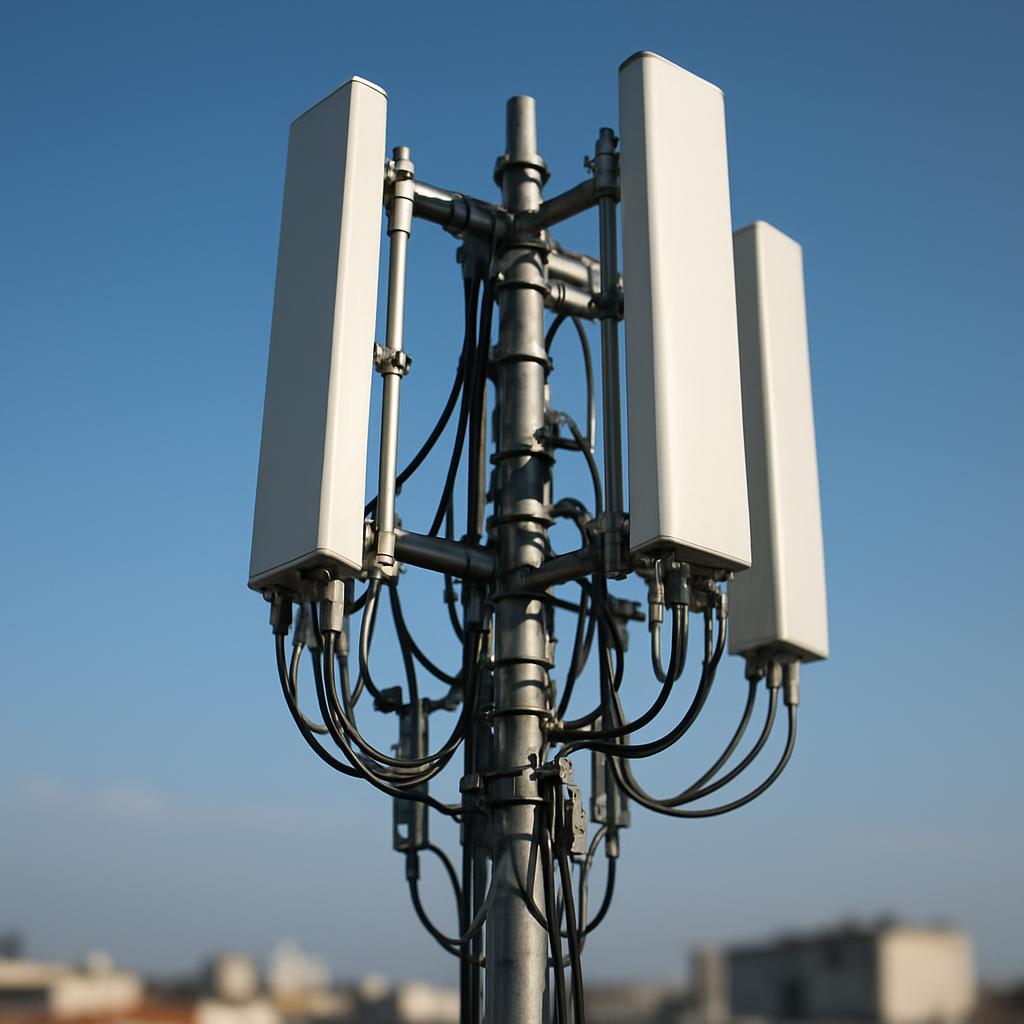
5G brings faster speeds, but it also has some downsides. Building the towers and equipment for 5G costs a lot of money, and that cost can affect service prices. 5G signals often do not travel as far as older network signals, so companies need to install more towers and antennas closer together. This means some rural areas may take longer to get good 5G coverage. Phones that use 5G can also drain their batteries faster because the technology uses more power to send and receive data quickly. Some people have also raised health concerns about the radio waves used in 5G, though major health agencies have not found solid evidence that these signals cause harm at the levels used in daily life.
Why can't 5G penetrate walls?
The fastest type of 5G, called high-band or millimeter wave 5G, uses very short radio waves. These short waves can carry huge amounts of data quickly, but they do not travel well through solid objects. Walls, windows, and even trees can block or weaken the signal. This is different from older networks like 4G, which use longer radio waves that can bend and pass through walls more easily. Because of this, high-band 5G works best outdoors or in open spaces with a clear path to the antenna. Indoors, or in areas with many buildings, the signal often gets weaker or drops. To fix this, companies also use lower-band 5G signals, which travel farther and pass through walls better, though they are usually slower than the high-band version.
How long will 5G be used?
5G is still in its early years and is expected to be the main mobile network standard for a long time, likely for a decade or more. Network technology usually improves in generations, and each new generation takes years to fully replace the last one. 4G, for example, is still used today even though 5G has been rolling out for years. As more devices, cities, and industries adopt 5G, it will likely keep improving through updates rather than being replaced quickly. Work on a future 6G network has already started, but experts expect it will take many years before 6G becomes widely available, meaning 5G will remain a key part of everyday connections for the foreseeable future.
The Bottom Line on 5G
5G is the newest generation of mobile network technology, designed to offer faster speeds and quicker response times than older networks like 4G. It comes with real benefits, but also real limits, including higher costs, shorter signal range, and trouble passing through walls. Even with these challenges, 5G is expected to remain the backbone of mobile connections for many years to come, as networks continue to expand and improve.